


I wrote my first poem when I was eight years old, dozens of them, actually, for a class project. I remember we had to write a diamante and I wrote mine about my favorite dog—and then felt bad that the other dogs were left poem-less, and wrote more poems to honor them.
Age 10, a few more poems scattered about, based on the recommendation of an English teacher. Junior high and a few more written in diaries and never finished. Nothing real until freshman year, with another class project and another encouraging English teacher. None of this was exceptional or original, especially not the poetry, until I was 15 and I became, shamefully and undeniably, obsessed with a boy who told me “he would never date a redhead,” in what I now recognize was the politest way he could think to say no.
Three years full of poems followed that “no,” along with hundreds of phone calls, nights spent consoling him after an ill-fated football game (he was the kicker, and I thought that was a sign that he was special), and lies told to his friends and parents about my involvement in his life. It was not until the most volatile time in a high schooler’s life (senior prom and graduation season), that I was able to open my eyes, and yet it still took months to pry my mind away from him.
It would not be until a few months later that I met my partner, Kris, and discovered poetry was meant to be something else entirely. Writing from what can only be called “desperation,” I discovered the joy of writing from mutuality. My favorite word in this age of dating rules and self-involved designs.
For my creative writing practicum in undergrad, I wrote a chapbook called Loam: the ideal soil type for fruiting plants, which I thought was a rather funny title for a queer love letter proudly displayed on the shelf of a homophobic institution. Openly dedicated to Kris, I wrote 15 poems about the ways in which our relationship, and our sex life, resembled the garden, the gardener, and the very soil itself. And later, as the school’s literary magazine editor, I helped more thinly veiled queer and/or erotic poetry slip through the cracks and onto the page.
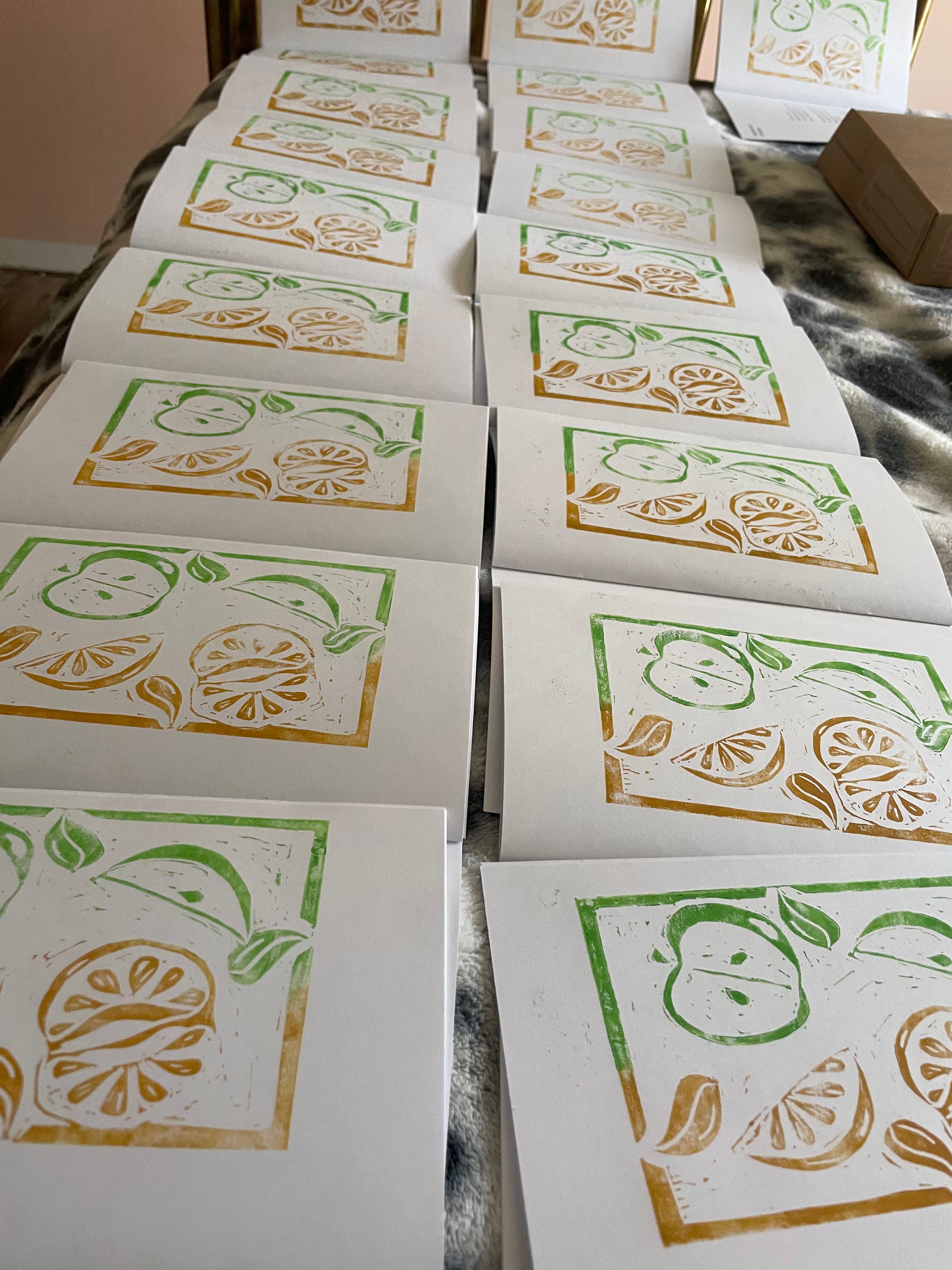
When I met Jerry at the AWP conference in Baltimore this past March—and walked among the hundreds of queer journals present—I realized that my poetry really does have places to grow in the light, not hidden in plant metaphors, however beautiful they might be.
The Queer Love Project, in its openness, its range, its adaptability, seemed like a beautiful—and safe—place to invite poets to grow. The first essay I read was “Why ‘Heated Rivalry’ Reheated My Own Sapphic Love Story,” demonstrating the open conversation between and within the community that I have been looking for. Bouncing from one conservative community to the next by way of my academic journey, I have been searching, too, for a queer community that does not fall into the trap of old-fashioned thought by building borders and rules around our lives.
As a woman who has written about the uncomfortability of straight women writing over and over again about queer men, I have long wondered if I am just as “bad”—especially since I still choose not to tell people that Call Me By Your Name is my favorite novel, and one of the main assists to my coming out. But in the essay, a queer woman recalls her hot-and-heavy, and deeply emotional, times with her partner after watching Heated Rivalry (which clearly has no present concerns for a sapphic plot-line) and so did I!
Jerry invited me to be the Queer Love Project’s poetry editor, and I would like to open up the new poetry section of QLP to embrace the “wrong” way of doing things, the questionable, and the confusing, and not fret over current concerns about how to “correctly” be a lesbian, or a transmasc person, or what have you.
We are not building queer lives to be stifled by rule following; we are queer because we don’t follow the rules, and we deserve to grow in our queer lives. Watching my partner transition little by little as they have discovered themselves, over the last five years, has taught me that more than anything. And fearing for their acceptance in all communities has taught the importance of true queer community.


Poetry, like a body, is not to be policed. Poetry is to question, to work through, to strive to understand or make peace with the fact that you can’t. On any given day, I will refer to myself as a lesbian, as a sapphic woman, as a queer person. And on any given day, I will write a poem about my partner’s thighs or the chunk of hair that always falls over their right eye, or about that guy, who I still wonder what it would’ve been like to have sex with. I hope others will share their poetry, no matter who or what they are writing about, as long as this writing helps them grow.

I’ve been on the other side of the submission portal for a few years, and I haven’t written in a long time, so this will be an opportunity for all of us to return to poetry. As a show of good faith, here are two of my older works to purvey. Let me know what you think in the comments. I look forward to reading your work as well. Email us at to queerloveprojectsub@gmail.com
Paris

In spite of my assumed levity,
I do not live in a soft-edged state of ignorance,
Fastened in the black between the stars and moon,
Where I believe that the river is bluer
Than the sky or that I don’t desire
The sun to function healthfully.

I know I persist in such dishonour that the gods
Detail my baseness in salons and garden parties
And I receive from them no encouragement
To address or call on them when in town,
Where the streets signs turn inside out
To avoid my soiled gaze.

Put not your trust in princesses,
(Whose lusts I pickpocketed with two fingers)
Who attempt redundant reconciliation
After we, running asunder, assume different devotions.
For this life must have cost me,
And her,
The price of many a dead dove.
Medical Miracle

Then, you gallop but your hands have no motion
Because paralysis is a villain,
Peeling life—poor, droning mother
—ajar, ruining routine syndromes,
Calling flu to pass into truck-tripped venison.

Pain excites more cycles,
Lumps burn, noses gush,
Rank symptoms sugar your hands.

Is cerebral-choking our King’s Curse?
He names us vital—dubs us death.
Angels never do surprise
But Vandals colonize King’s periscopes.
Killing or dying, the saints stay still.

Now, on Sundays, I tape raspberries to you,
Summoning summer renewal
As both creatinine and creator have failed us.

Is this freedom or destination?
It’s so exciting that poetry will be part of the mix of QLP’s wonderful offerings and growing community. I’ll tell everyone I can think of 😊
Interesting that I chose to begin a Poetry Page on my Substack and its inaugural post is today, same as yours. Must be something in the air, in the water, ... in the heart! I love QLP, I love and admire Jerry Portwood, and I look forward to enjoying, thinking about, shedding a tear or two, rolling on the floor with laughter with QLPP: Queer Love Project Poetry! Welcome! https://mhorvich.substack.com/p/a-poem-to-life-and-to-death-and-to?r=3z5war&utm_campaign=post&utm_medium=web